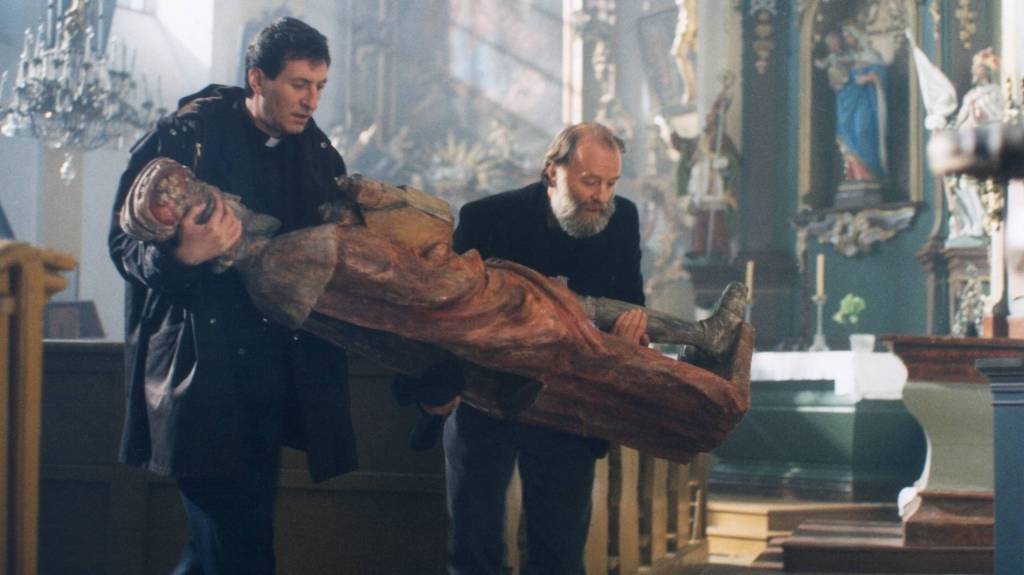
Father Holý (Bolek Polívka) is a modern village priest with a common touch, able to entertain his dwindling flock by framing his sermons as dreams he once had. In one of them, he relates the novel idea of walking into an abandoned church and finding God praying to humankind, desperate for proof of our continued existence.
This tale is a key moment in Forgotten Light, for while the film is ostensibly about a Catholic priest facing a crisis of faith at the butt end of the Communist regime in Czechoslovakia, it is ultimately more concerned with people’s ability to endure and maintain hope in Godless times.
Holý is a Regular Joe sort of priest, just as adept at fixing a motor as he is delivering Mass, and able to match the denizens of the village boozer shot for shot. His backstory suggests that he joined the priesthood for an easier life rather than a burning sense of piety, and he clearly still has a discreet eye for the ladies. He now has quite a lot of time on his hands – his parish once had three churches, but two have been shuttered by the state and converted into storage facilities. His last remaining place of worship is in a severe state of neglect, but he keeps on keeping on through a sense of duty to his small community.
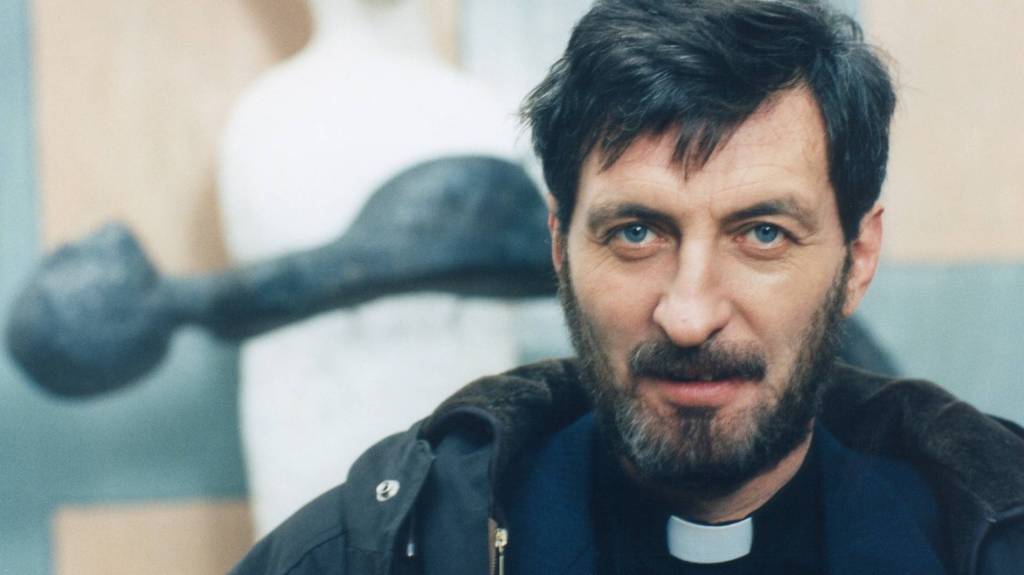
When the church springs a disastrous leak, Father Holý seeks funds to mend the roof. The atheistic Party is quite happy to let religion burn itself out through lack of funds and state support, however, and the seedy purse-keepers insinuate that he could get himself in a lot of trouble if he keeps pushing.
Holý’s a resourceful guy and hatches a risky scheme to raise the money himself, enlisting local sculptor Klima (Jiří Pecha) to carve a duplicate statue of St. Henry so he can flog the original to a wealthy foreign collector of religious artwork. Meanwhile, the priest also becomes involved in the plight of Marjánka (Veronika Žilková), a terminally ill woman he has long held a candle for.
Forgotten Light is set in late autumn 1987, two years before the regime in Czechoslovakia reached its demise during the Velvet Revolution. The film gives us the sense that the country’s Normalisation project was wheezing to a logical conclusion by that stage, contrasting the drabness of underfunded state facilities with the eternal splendour of the Czech countryside surrounding Holý’s village. As such, cinematographer Martin Duba discreetly observes the drama while allowing a few moments of fleeting beauty both within the crumbling church and the sparsely populated landscape.
Screenwriter Milena Jelinek has sensitively updated the 1934 novel of the same name by Jakub Deml (a priest himself), and positing the Catholic church as a rallying point for embattled human kindness might rankle with some viewers. You don’t need to be religious to be touched by the story’s central thrust, however, which is deeply sad yet finds a note of hope as the community instinctively offers Father Holý support in his quest.
Key to the film’s emotional impact is the central presence of Bolek Polívka. The legendary Czech actor has starred in dozens of movies over the past five decades, and although I haven’t seen all of them, I’d wager this ranks towards the very top of his list of performances. Indeed, Forgotten Light was chosen to honour Polívka’s career at the Karlovy Vary International Film Festival a few years ago. Polívka was present to receive an ovation before the screening and I was also there that day, brought to the brink of tears by his immensely dignified performance. I got the feeling from the general hush when the credits rolled that everybody else was pretty choked up, too.
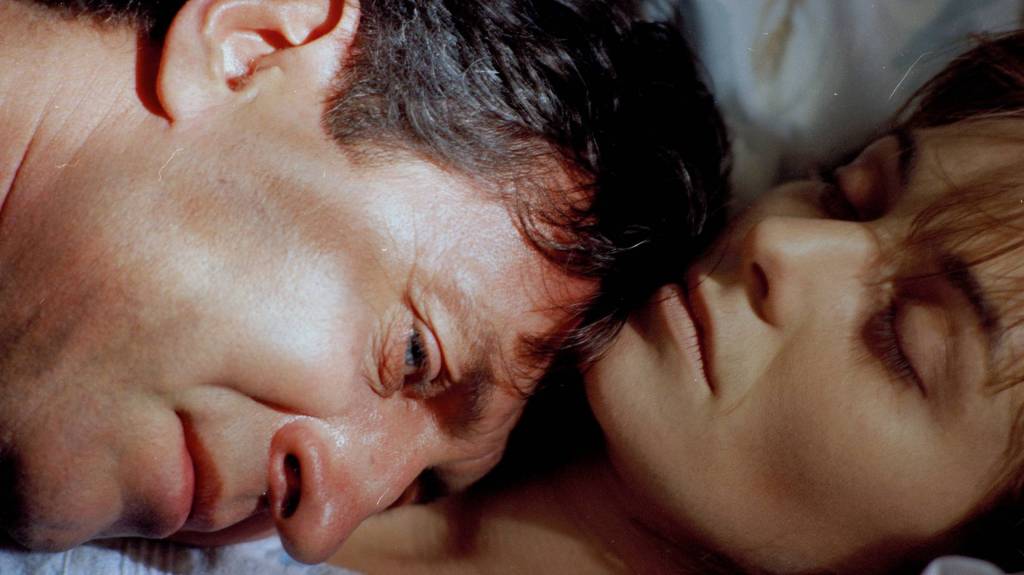
Polívka is the main attraction, and he receives very capable support from Jiří Pecha, who brings a little comic relief as the irascible sculptor, and Žilková’s moving turn as the doomed Marjánka. It’s a testament to the skill of Polívka and the latter that her inevitable passing is so heart-rending without the movie turning into a deathbed weepy.
The film manages to keep sentimentality at bay overall, taking what sounds like a bucolic Menzelian lark on paper (crafty villagers switching statues to prevail over jobsworthy state officials) and moving it to the outskirts of social realism. Perhaps that’s why, out of the dozens of Czech films I’ve seen about the travails of regular folk under communism, Forgotten Light is the one that moves me the most.
I’ve lived in the country for 17 years, I know the people well, and I’ve heard many stories about life before the Revolution. But it’s still hard to fully understand what it was like when you come from an entirely different experience, such as growing up in the UK during the time when the film is set. Despite its religious elements, Forgotten Light is the movie that has felt the most real and intimate to me, taking the grander thematic sweep of something like All My Good Countrymen (how living under an oppressive regime grinds a community down over the years) and distilling it into the beleaguered but courageous figure of Father Holý – one priest you’d want to sit with in a village pub and throw back a few beers and rum shots.

 Czech Film Review