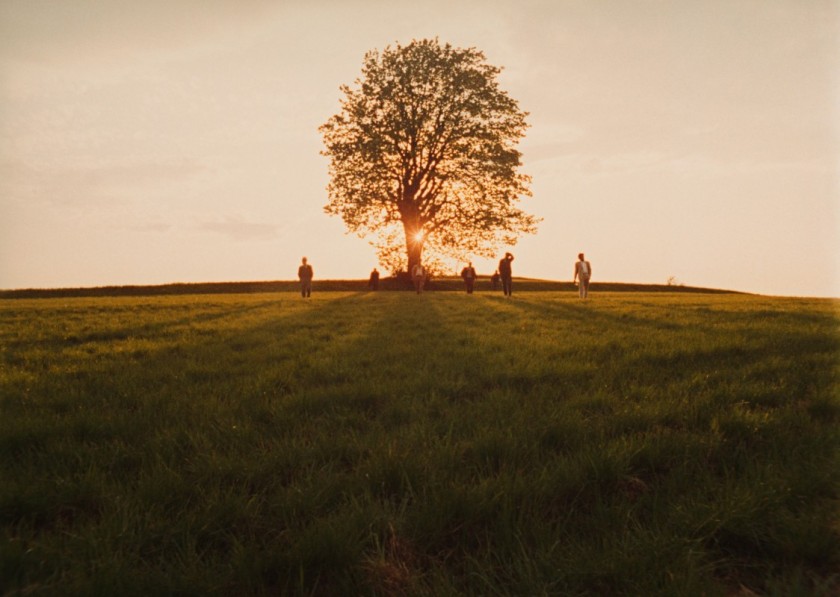
All My Good Countrymen (Všichni dobří rodáci) – Vojtěch Jasný, 1968

All My Good Countrymen cinematography

When people find out that I write about Czech movies, one of the questions they sometimes ask is: why are so many Czech films about the Communist era?

The example I always use is this: I’m from England, and such a large part of our national identity is defined by World War II, which lasted six years. Three iconic events from the conflict – Dunkirk, the Blitz, and the Battle of Britain – are still touchstones in our collective conscience and influence how we think of ourselves as a people. Even seventy-odd years later, nostalgia for the war played a part in the campaign to leave the European Union.

And, of course, we’re still making successful movies about it.

Buy All My Good Countrymen from Amazon HERE

Czechoslovakia, by comparison, spent over forty years in the clutches of a Communist regime, only to regain independence relatively recently. It’s little wonder that the period still exerts such a powerful hold on the Czech national psyche and is ingrained so deeply in the country’s culture. Not only that, but forty years is a long time, so even films that aren’t directly about it still have life under communism very present as background scenery. We can probably expect Czech cinema to go on exploring those decades of subjugation for many years to come…

Continue reading “All My Good Countrymen (Všichni dobří rodáci) – Vojtěch Jasný, 1968”

Food (Jídlo) – Jan Švankmajer, 1992

Svankmajer's Jidlo (Food)

Introducing Jan Švankmajer (Alice) to anyone always nets you a reputation for being a weirdo. From the word go, Food’s style is absurd and choppy, often very naturalistic, and more than a little risqué. But I think it’s well worth anyone’s time – so please indulge this weirdo as I talk about Švankmajer’s 1992 film Food and why it’s a lesser-known gem of Czech cinema.

Food contains three shorts films – breakfast, lunch, and dinner – that are thematically connected. They all contain some sort of food consumption (surprisingly) but there is often a twist that turns the simple daily rituals to downright bizarre affairs. In sixteen minutes, Food shows people who turn into machines, hungry diners devouring their clothes, and various kinds of gourmands digging into their own body-parts. So yeah, there’s a lot going on…

Continue reading “Food (Jídlo) – Jan Švankmajer, 1992”

Wild Flowers (Kytice) – F.A. Brabec, 2000

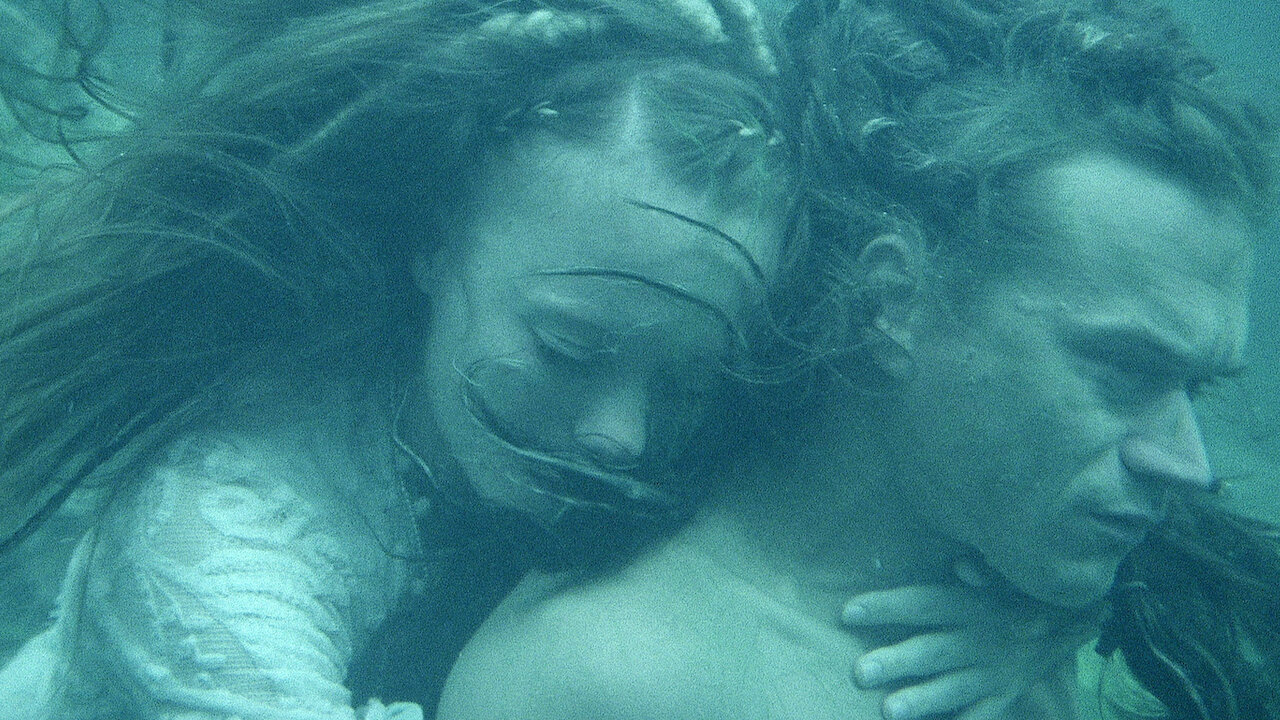
Vodnik Dan Barta Kytice 2000

You can watch Wild Flowers (Kytice) HERE with our VOD partners Eyelet.

Like a struggling Hogwarts student about to flunk their final exam, F.A Brabec fails to conjure the requisite magic to transform Wild Flowers into something completely worth watching. Flashy visuals and a strong cast can’t disguise the fact that this is an extremely patchy anthology based on the ballads of Czech folklorist, Karel Jaromir Erben…

Continue reading “Wild Flowers (Kytice) – F.A. Brabec, 2000”

Owners (Vlastníci) – Jiří Havelka (2019)

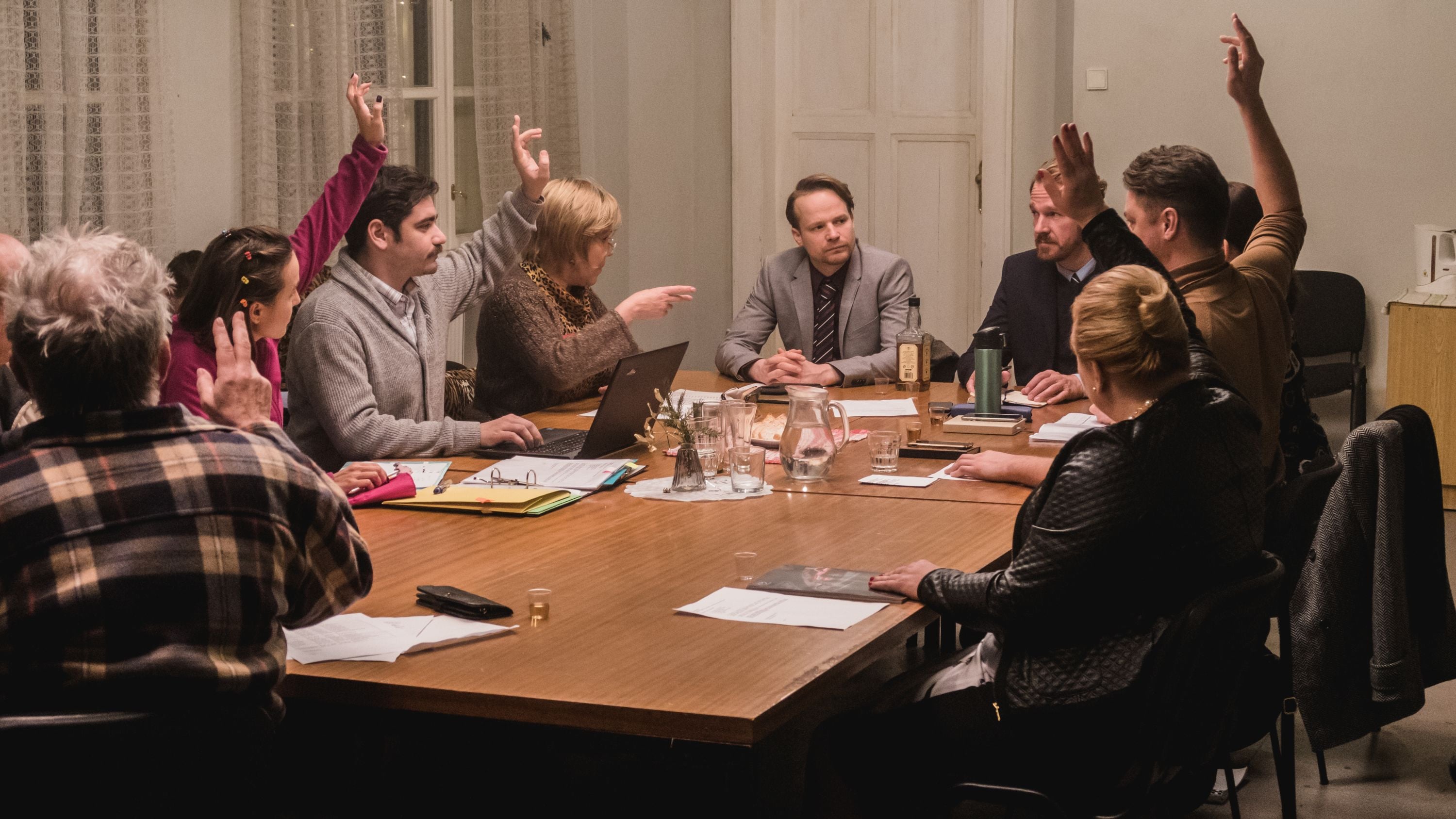
Written and directed by Jiří Havelka, based on his own award-winning stage play, Vlastníci presents us with a curious cast of characters, all of whom own apartments in the same block somewhere in Prague, and charts their progress as they attempt to tolerate each others’ presence long enough to take some important decisions about the building’s future. The film took home three Czech Lions and two Czech Film Critics’ Awards, and with fine performances from the leading cast, sharp dialogue, and painfully relevant political overtones, it’s not difficult to see why.

The action all takes place in one room, recalling Sidney Lumet’s 1957 classic 12 Angry Men – and these owners are certainly angry. Over the course of the film, the tension that hangs close around the earliest scenes is released explosively, as slight disagreements turn into raging arguments, and no stone in any of the owners’ lives is left unturned as they seek to blame and criticise each other for sins past and present, real and perceived. And like in Lumet’s film, the fact that the characters can’t escape means that neither can the viewer. We are forced to live through the conflict along with the owners, sharing their frustrations, their fury, and their offence (and it is very offensive at points)…

Continue reading “Owners (Vlastníci) – Jiří Havelka (2019)”

Those Wonderful Years That Sucked (Báječná léta pod psa) – Petr Nikolaev, 1997

If you’re a regular follower of Czech Film Review you’ll know that I have a long-standing beef with movies based on the works of Michael Viewegh. I hate them so much – especially Angels (Andělé všedního dne), which must rank as one of the worst movies I’ve seen in any language – that I’m kind of addicted to them. Not only are they sexist, ageist and homophobic, but they’re also just so damned mean-spirited, with a nihilistic view on human relationships. Perhaps the subtleties of Viewegh’s novels don’t adapt well to the screen, but Viewegh seems to hate all his characters, especially women. So what made the novelist such a black-hearted misanthrope? It’s like a puzzle I need to solve.

Buy Those Wonderful Years That Sucked from Amazon HERE

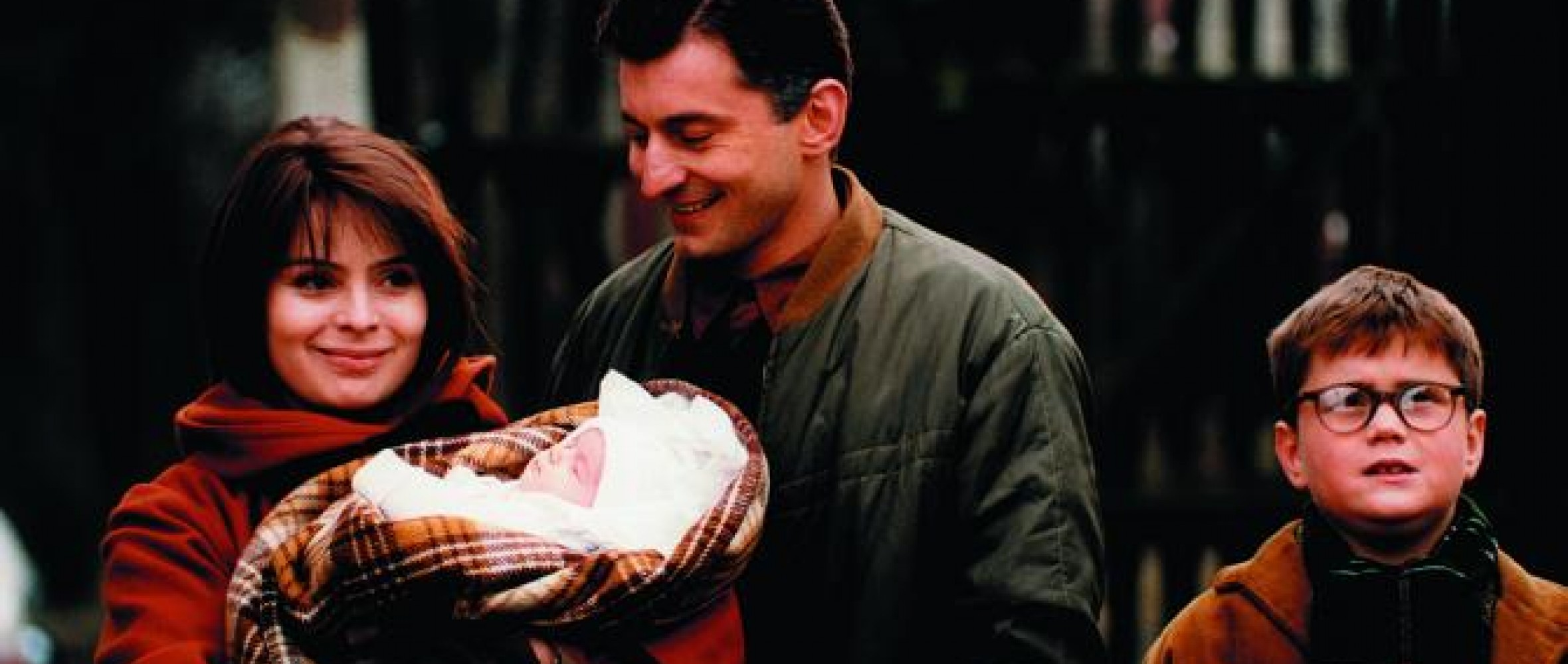
So I arrived at Those Wonderful Years That Sucked, based on Viewegh’s semi-autobiographical novel of the same name. Semi-autobiographical, eh? It’s probably going to be a heinous chore just like his other adaptations, I thought, but maybe I’ll find some answers…

Continue reading “Those Wonderful Years That Sucked (Báječná léta pod psa) – Petr Nikolaev, 1997”

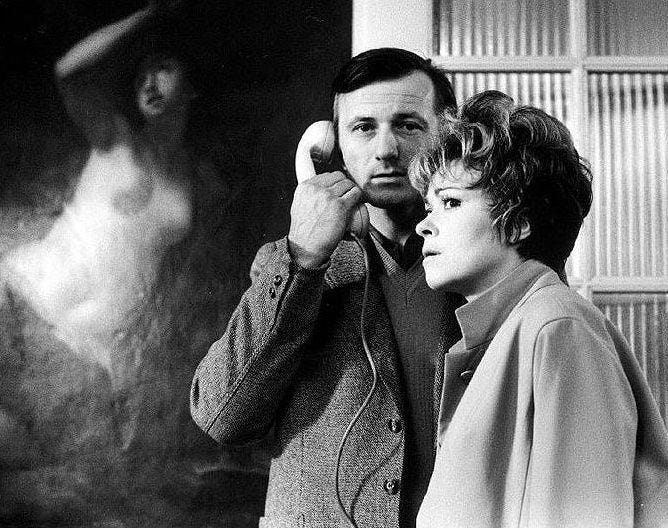
The Ear (Ucho) — Karel Kachyňa, 1970/1989


Like many films that were considered problematic by the communist regime in Czechoslovakia at their time of release, Karel Kachyňa’s The Ear was banned until 1989. Unlike the surreal elements found in Case for a Rookie Hangman, this film takes a more grounded approach to explore the fears and anxieties experienced by the country’s inhabitants. The film centres around a married couple trying to get through a night of desperation after they suspect their home might be under surveillance by the government.

The film begins with the couple coming home from an evening at an official dinner party. The husband, Ludvík (Radoslav Brzobohatý), is a reserved government official, and his wife, Anna (Jiřina Bohdalová), is an outspoken alcoholic. From their first interactions, we can already get a general idea of their relationship. You get the sense that they’ve been at odds for a while now, seeing as how they constantly bicker and throw verbal jabs at each other every chance they get. 

The Ear Blu Ray

Buy The Ear from Amazon HERE

Once they arrive at the entrance, they notice that they’ve misplaced the keys to the gate and find other means of getting inside, only to realize that the doors had been open and there’s been a power outage. Ludvík also notices some strange men lurking around the garden and a car parked on the other side of the street. This causes him to become more paranoid at the thought that he might be targeted by the government…

Continue reading “The Ear (Ucho) — Karel Kachyňa, 1970/1989”

3 Seasons in Hell (3 Sezony V Pelke) – Tomás Masín, 2009

Hadek in 3 Seasons in He'll

My curriculum was packed with boring subjects when I was at school. Maths was always a chore, chemistry was just soul-crushing, and history was the biggest snooze. For three years we sat in the same brown dusty classroom full of brown dusty books, listening to the teacher drone on. He was a pale gingery man who resembled the Gestapo agent in Raiders of the Lost Ark, and always wore a brown suit that looked like it was tailored from a rest home carpet. We only ever seemed to study World War I and II, without ever finding out any of the larger context surrounding the conflicts.

It was only after I left school and started reading up on things by myself that I came to wonder: how does anyone make a subject like World War II boring? On paper, it’s like the synopsis of the greatest, most exciting war movie ever made. I realized that it wasn’t the subject that was boring, it was the teacher. It’s the way you tell ’em, I suppose.

On paper, 3 Seasons in Hell sounds like pretty suspenseful stuff. Opening in 1947 Czechoslovakia, we follow a young nonconformist poet who falls in with a Bohemian crowd, just as the Communist regime seizes control of the country and starts clamping down on intellectual and subversive activities that don’t suit their agenda. Our arrogant young hero soon finds himself in increasing danger…

Continue reading “3 Seasons in Hell (3 Sezony V Pelke) – Tomás Masín, 2009”

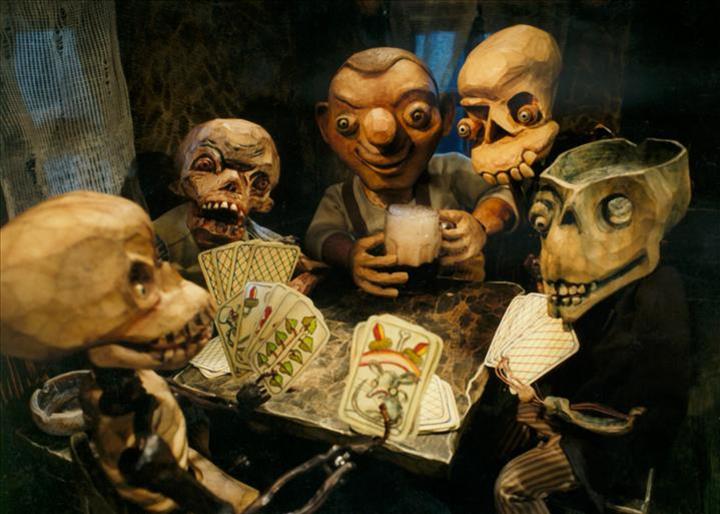
Jan Werich’s Fimfárum (Fimfárum Jana Wericha) – Vlasta Pospíšilová and Aurel Klimt, 2002

Fimfarum Jana Werich
One ČSFD (Czech IMDb) reviewer reports that the lesson they learned from watching Fimfárum Jana Wericha is the following: if you’re a drunk unable to provide for your family or take care of your farm, offer your son to the devil and then use a homeless woman to get him back. And they’re not even reading anything into it. 
 
Buy Jan Werich’s Fimfárum from Amazon HERE
 

Fimfárum is one of those strange collections of stories that don’t like simple answers in life. The original book, written and later recorded on tape by Jan Werich in the 1960s, included 21 fairy tales, most of which are absurd or downright bizarre. The 2002 film adaptation didn’t have an easy task translating the light humour, ambiguous moral messages, and beautiful use of the Czech language to the big screen, but they nailed it!

Continue reading “Jan Werich’s Fimfárum (Fimfárum Jana Wericha) – Vlasta Pospíšilová and Aurel Klimt, 2002”

Waiter, Scarper! (Vrchní, prchni!) – Ladislav Smoljak, 1981

In my first review for this site, Accumulator 1, I commented on how Zdeněk Svěrák (Kolya, Empties) was the clear highlight of an otherwise unbalanced film. This time around, I’m delighted to explore a project that actually showcases more of his talents as a screenwriter as well as an actor. Written and directed, respectively, by the duo of Sverák and Ladislav Smoljak, Waiter, Scarper! tells the story of a bookseller named Vrána (Josef Abrhám) who becomes a thief by posing as a waiter to take money from unsuspecting customers.

The film starts with Vrána getting ready for his high school reunion by donning a tuxedo that makes him resemble a waiter. Once he arrives, he realizes that most of his classmates have gone on to have a much better life than him.

Buy Waiter, Scarper! from Amazon HERE

His marriages have left him in dire straits since he has to pay alimony while also supporting his current family, and even his neighbour, Parizek (Svěrák), who plays the fiddle, has a better car than him. He’s so ashamed of what his life has become that he leaves his noticeably cheaper car in the parking area — only to pick it up later when nobody’s around…

Continue reading “Waiter, Scarper! (Vrchní, prchni!) – Ladislav Smoljak, 1981”

Adelheid (1970) – František Vláčil

Petr Cepak in Adelheid

Shot in wintry hues, Adelheid is a tragic drama about two shellshocked, fatally star-crossed lovers who find each other amid the psychic fallout of World War II. It is the cinematic equivalent of curling up in front of the fire with a really good book.

The story opens in 1945, during the tumultuous expulsion of Germans from Czechoslovakia. The war may be over but it’s still a dangerous time, with lawlessness and banditry as the liberated country tries to find its feet again. Troubled Lieutenant Viktor Chotovick (Petr Čepek) arrives in a small town after spending the war moving from place to place, longing to return to his home country. He is treated with initial suspicion by Sergeant Hejna (Jan Vostrcil, a familiar face from Miloš Forman’s New Wave stuff, including Loves of a Blonde and The Firemen’s Ball). Turns out Viktor is in town with a job to do – he’s been assigned to catalogue and manage a large isolated mansion.

Adelheid DVD

Buy Adelheid from Amazon HERE

The assignment suits Viktor because he’s just trying to get his head together after the war. The mansion was formerly the home of a wealthy Jewish family before it was commandeered by a local Nazi party member, Heidenmann, who has been captured and taken to Olomouc to await execution. What Viktor isn’t told is that the mansion comes with a cleaner and a cook – Heidenmann’s daughter, Adelheid (Emma Černá), who is sent by Hejna to serve Viktor…

Continue reading “Adelheid (1970) – František Vláčil”