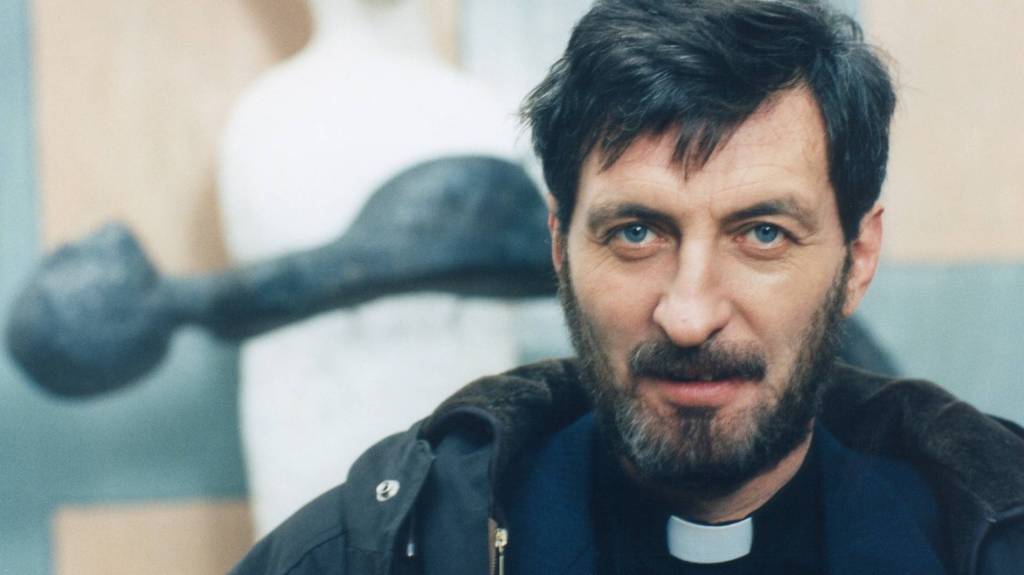
Father Holý (Bolek Polívka) is a modern village priest with a common touch, able to entertain his dwindling flock by framing his sermons as dreams he once had. In one of them, he relates the novel idea of walking into an abandoned church and finding God praying to humankind, desperate for proof of our continued existence.
This tale is a key moment in Forgotten Light, for while the film is ostensibly about a Catholic priest facing a crisis of faith at the butt end of the Communist regime in Czechoslovakia, it is ultimately more concerned with people’s ability to endure and maintain hope in Godless times.
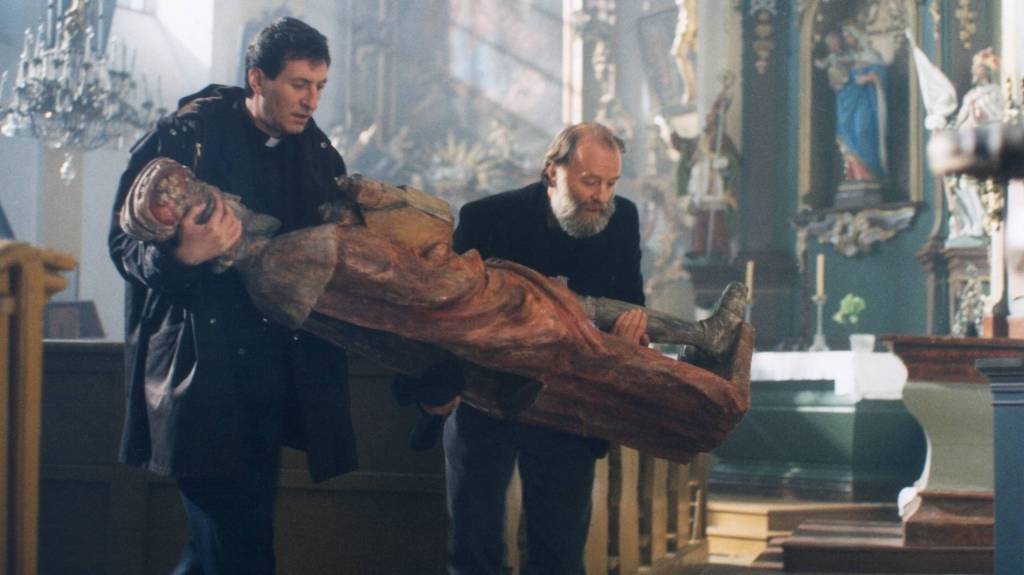
Holý is a Regular Joe sort of priest, just as adept at fixing a motor as he is delivering Mass, and able to match the denizens of the village boozer shot for shot. His backstory suggests that he joined the priesthood for an easier life rather than a burning sense of piety, and he clearly still has a discreet eye for the ladies. He now has quite a lot of time on his hands – his parish once had three churches, but two have been shuttered by the state and converted into storage facilities. His last remaining place of worship is in a severe state of neglect, but he keeps on keeping on through a sense of duty to his small community.
When the church springs a disastrous leak, Father Holý seeks funds to mend the roof. The atheistic Party is quite happy to let religion burn itself out through lack of funds and state support, however, and the seedy purse-keepers insinuate that he could get himself in a lot of trouble if he keeps pushing.
Holý’s a resourceful guy and hatches a risky scheme to raise the money himself, enlisting local sculptor Klima (Jiří Pecha) to carve a duplicate statue of St. Henry so he can flog the original to a wealthy foreign collector of religious artwork. Meanwhile, the priest also becomes involved in the plight of Marjánka (Veronika Žilková), a terminally ill woman he has long held a candle for.
We’re all familiar with the adage that war makes monsters out of men, and we’ve had numerous gruelling cinematic epics like Apocalypse Now and Come and See to hammer that point home. Before both those towering achievements, however, Czechoslovak New Wave director Karel Kachyňa succinctly showed that women are not exempt in his gripping drama Coach to Vienna.
Filmed during a period when the leading lights of the New Wave were largely focusing their talents on critiquing the Communist regime, Kachyňa’s film touches upon a shameful aspect of Czech history that came before. Much like František Vláčil’s sombre masterpiece Adelheid (1970), we’re dropped into the chaos and violence that accompanied the liberation of Czechoslovakia at the end of World War II, and the film nods toward the expulsion, mistreatment, and execution of ethnic Germans in the immediate aftermath.
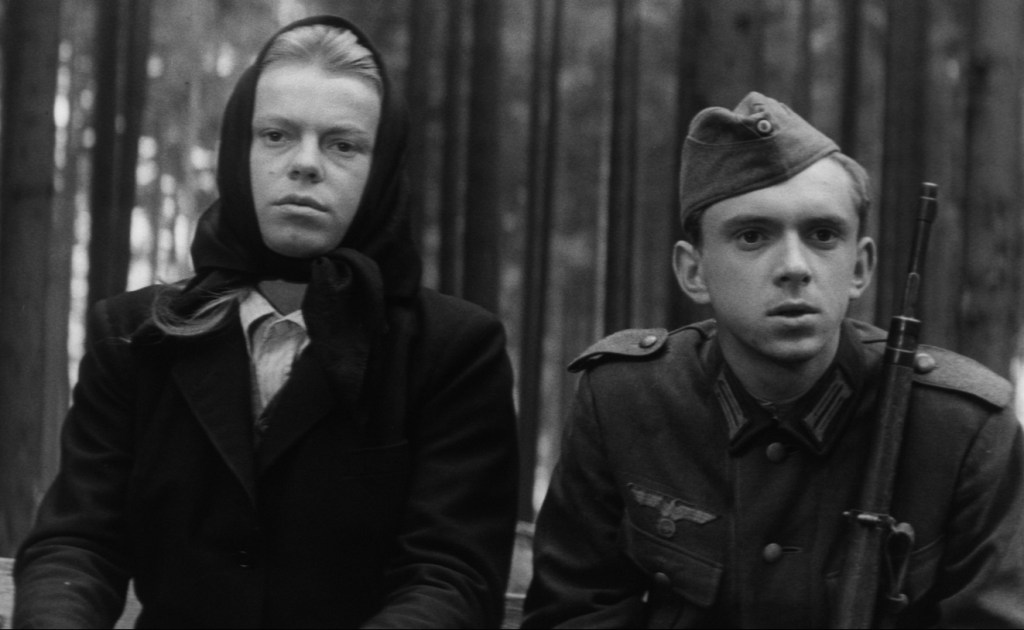
An opening title card sets up the story: Retreating German forces have executed a farmer for a petty offence, and his widow, Krista (Iva Janžurová), is forced at gunpoint to transport two deserting soldiers by horse and cart to safety across the border in Austria. Her passengers are mortally wounded Günther (Luděk Munzar) and his callow young comrade Hans (Jaromír Hanzlík). Taking the rutted tracks through misty forests haunted by Czech partisans, it is a slow ride to sanctuary – and Krista has only revenge on her mind…
I’ve only just revived this blog after an almost five-year absence, so it’s fair to say that I’m a little out of touch when it comes to more recent Czech cinema. So I did a search on IMDb, and what’s this wedged between two stone-cold classics in any language, Valerie and Her Week of Wonders and The Cremator? Tomasz Wiński’s erotic drama Borders of Love.
It certainly looks pretty racy from the poster, which depicts the lead actress Hana Vagnerová (Bikers) naked in the throes of ecstasy as she apparently takes on three guys. But those hairy-palmed viewers out there should put down the box of Kleenex, because that poster art is about as raunchy as it gets.
Instead, we get a rather dry Czech blend of Steven Soderbergh’s Sex, Lies, and Videotape and Lars von Trier’s Nymphomaniac, but one that is neither as perceptive as the former nor as in-your-face provocative as the latter.
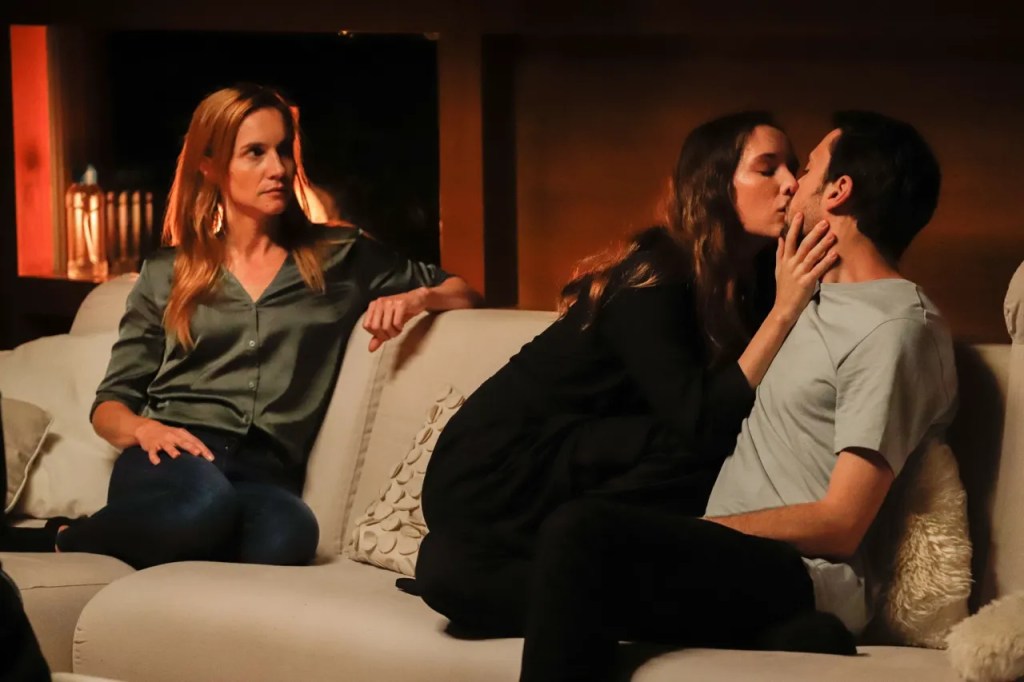
We meet Hana (Vagnerová) and Petr (Matyáš Řezníček), a photogenic, progressive, and sexually active Prague couple who start delving into each other’s fantasies during pillow talk. They get onto the subject of sleeping with other partners, and Petr is far more enthusiastic about the idea at first. However, when they begin experimenting with swinging friends and casual hook-ups, Hana starts enjoying herself far more than Petr’s fragile ego can handle, with predictably fraught consequences for their relationship…
When I first visited Prague at the tail end of the ’90s, I was captivated by the city to the extent that it dominated my every waking thought. Like for millions of tourists each year, it was the historic centre’s visual splendour that first set my heart racing, but it wasn’t long before I got to know the less postcard-friendly side as well.
Attending a teaching course in the freezing winter of early 2002, the school provided cheap digs in a Communist-era Panelák out in the Barrandov district – namely, a block of flats constructed from panels of prefabricated concrete. In truth, it didn’t look all that different from similar eyesores in Britain, but it was still a striking contrast to the “Golden City” image of Prague. Just as the towers, domes, and spires of the centrum appeared etched in crystal thanks to the crisp, cold January air, the stark right angles and brute bulk of the housing project were brought into sharp focus in the snow and ice.
There was heavy construction going on at the time, which meant a lot of rubble and heaps of earth for the locals to pick their way through as they went about their daily business. One night, my flatmate was staggering back from the pub when he fell into an open trench and lay unconscious as the falling snow began covering him up. Luckily, a passing group of teenagers spotted him, fished him out, and took him back to the pub for a few reviving rounds of beer and shots.
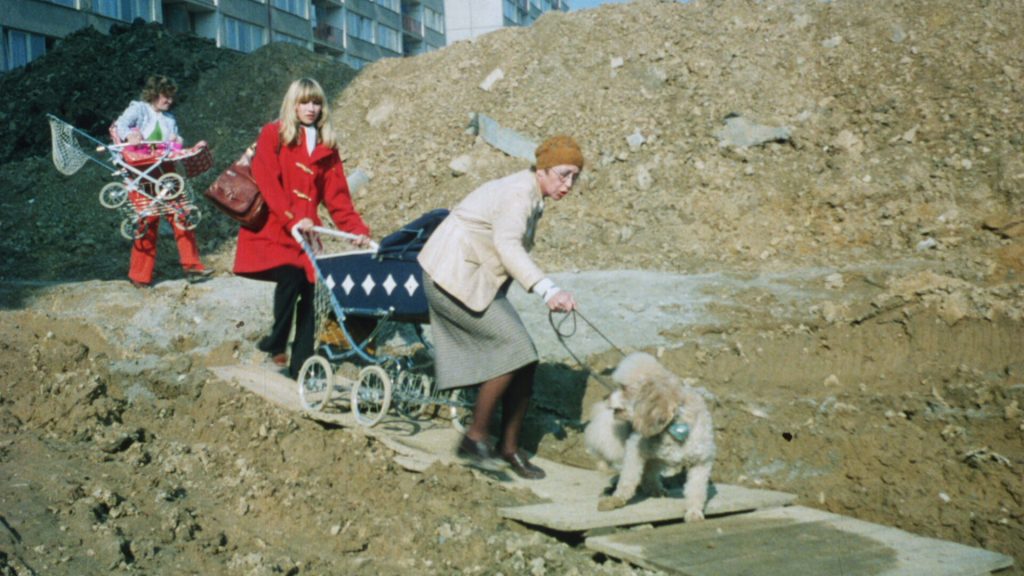
I was reminded of this incident continually while watching Prefab Story, Věra Chytilová’s tragicomic day-in-the-life of the vast Jižní Město housing estate in Prague. The narrative, such as it is, follows an elderly man who arrives from the countryside to live with his daughter in one of the concrete monstrosities, but neither the taxi driver nor the harried locals can pinpoint the correct tower block…
After a lean and troubled wartime era, Walt Disney started the 50s with a trio of the studio’s most beloved films – Cinderella, Alice in Wonderland and Peter Pan. This was the Silver Age of Disney, and it lasted until Uncle Walt passed away during the production of The Jungle Book in 1966.
Around the same time across the Iron Curtain, Jiří Trnka, a Czech film maker referred to as the “Walt Disney of the East” was creating a stunning series of hand-crafted animated features. After an early career illustrating children’s books and learning puppetry, he made his own animated shorts at the end of WWII. His first film with stop motion puppet animation was The Czech Year(Špalíček), which detailed the rites and customs of a small Czech village. It was well-received internationally, picking up prizes in Paris and Venice.
After two more features, The Emperor’s Nightingale and Prince Bayaya, his next major work was Old Czech Legends, based on Alois Jirásek’s novel. Divided into seven parts, it takes us way back to the mythological foundation of the Czech nation. It opens with a dramatic note of despair as a tribe is mourning the death of their kind and noble leader, Forefather Čech. In a flashback, we see how they came to the Vltava after a long and arduous journey and rested near Říp mountain. Čech scaled the mountain alone and saw the bounteous and beautiful land all around him, and declared that this was the place for his people. In gratitude, they insist on naming the country after him…
The nominations for this year’s Academy Awards dropped this week, and the Best Picture category includes no less than two of the most Oscar-baiting of movie genres: the biographical feature. Biopics often tend to be well made and impressively acted, with an air of respectability that makes them very awards-friendly. However, they are also limited by the cinematic medium itself, trying to cram the remarkable events of a complex human being’s life into the time it would take that person to… well, watch a movie.
Robert Sedláček’s Jan Palach makes things a little easier for itself by narrowing the focus to the last year or so of the martyr’s life. After a brief intro set in 1952, where we see Palach as a young child lost in the snowy woods, we fast forward all the way to 1967 where he is now a student (Viktor Zavadil) digging ditches at a work camp in Kazakhstan. The work is hard and the food is basically gruel, but the sun is shining and there are girls to chat up. Here we get some sense of Palach’s strength of character when he sticks up for a Russian pal who gets in trouble with the Communist camp boss for boycotting the food.
After that, it’s back to Prague where Palach spends his time juggling his studies, a rather chaste romance with his girlfriend Helenka (Denisa Barešová) and visiting his widowed mother, a Communist Party member who can’t resist opening her son’s mail if it looks any way official. He gets accepted to Charles University and enjoys being in the presence of lively, politically engaged fellow students. In the background is increasing unrest, culminating in the Prague Spring of 1968.
Palach is enjoying another work-holiday in the vineyards of France when news of the Warsaw Pact troops subduing the rebellion reaches him. He returns home to Prague to find civilians standing up to tanks and guns without any backing from the Czechoslovak authorities, and sometimes paying with their lives.
Palach and his girlfriend are involved when a student protest is brutally put down by the police, and both take a beating for their troubles. Scared and demoralised, the student activists start shying away from further action, leading Palach to devise a shocking solo demonstration of his own…
A woman clad in black, starkly contrasted against the sun-bleached seashore, skulks like a cat between the rocks after disposing of a vial of poison. She spots her servant girls below, laughing and swimming naked in the sea. Jealous of their youth and vivacity, she picks up a rock and hurls it at the back of one of their heads, crippling a girl for life…
A few years after Juraj Herz gave us one of the great movie villains in The Cremator, this act of sheer malice is just a tea break in the murderous schemes of another memorable antagonist in Morgiana. A monstrously melodramatic adaptation of Alexander Grin’s novel Jessie and Morgiana, it is the tale of two diametrically opposed sisters. Klara Trangan, dressed all in white, is simple, naive, and kindhearted – annoyingly so – while her gloomy, covetous sister Vitoria lurks around like a grudging shadow. Both are played by Iva Janžurová, and the illusion is pulled off so well through acting, costume, make-up and camera tricks that it took me half the movie to realise it was the same actor.
Things kick off after the Trangan sisters’ father dies, and his wealth and estate are divided between them in his will. They are both very well provided for, but there is little doubt that Klara got the sweetest inheritance, receiving a sprawling villa and its grounds overlooking the sea, while Viktoria gets some land and a haunted hunting lodge. To further inflame Viktoria’s grievances, Klara also attracts the attention of two handsome suitors – the grave lawyer in charge of their father’s will, Glenar (Petr Čepek) and gallant military man Marek (Josef Abrhám).
Viktoria retreats to her hunting lodge to sulk with her cat, Morgiana, where she hatches a plot to kill her sister with a slow-acting poison that is impossible to trace. So slow-acting, in fact, that she doubts whether it is working at all until Klara starts experiencing hallucinations and a unslakeable thirst. By which time she has also tried it out on a servant woman’s dog to make sure she wasn’t sold a lemon.
Rumours of Klara’s maladies reach Otylie (Nina Divíšková), the purveyor of the poison, who then shows up wearing a very big hat to blackmail Viktoria. Unfortunately for her, she underestimates how murderously batshit crazy the wannabe poisoner is…
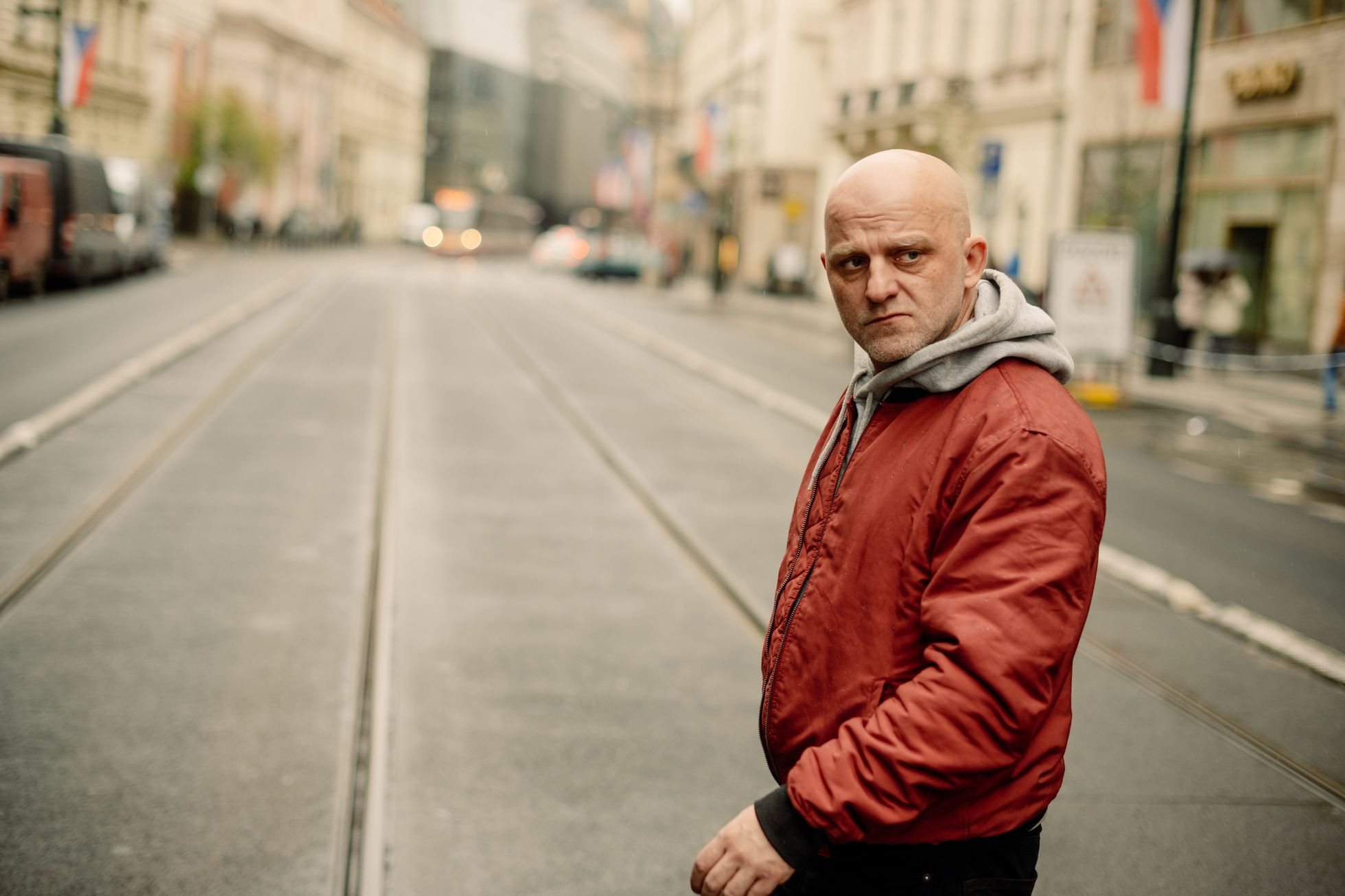
Never drink in a pub with a flat roof, or so the joke goes back in the UK. It refers to the type of dismal drinking establishments that sprang up on post-war housing estates, where you might encounter all sorts of dodgy characters, addicts and psychos. The same goes in the Czech Republic, too – you might run into a nutter like Vandam (Hynek Čermák) in Štěpán Altrichter’s National Street.
Vandam is the resident hard man of the drab Severka pub in a southern Prague project. They call him Vandam because he can do 200 push-ups, just like his VHS hero, Jean-Claude Van Damme. With his skinhead, stocky build and menacing brow, it’s no surprise to find out he has racist and homophobic views and doesn’t mind sharing them. He wants everyone to know he’s a proper fighter. “Peace is just the intermission between wars,” he growls on his voice over, with the attitude of a man who views life as a long series of battles. He is also known to the other denizens of the pub as a national hero, the man who sparked the Velvet Revolution by throwing the first punch…
I recently moved from Brno to a small village of about 500 people, which is something I thought I’d never do. I’ve always loved the city and the countryside freaks me out. Sometimes I get spooked when I’m out trudging the lanes and wood trying to fill in the blanks around me – it is the absence of people that makes it so unnerving. Occasionally I’ll stumble upon a cross or a shrine set starkly against a frozen cornfield or a big empty sky, and it seems more imposing than the huge churches and cathedrals that get a little lost in the hustle and bustle of city life.
Out in the countryside, it feels like mankind has sprouted out of the earth along with their dwellings over the millennia. In the dark months of winter, the village air is full of woodsmoke. It’s the first time I have really thought about the fact that people grow trees just to chop them down and burn them to keep warm. Similarly, some village folk grow their own creatures to kill, disembowel and eat. It all seems a bit medieval after a lifetime of central heating and buying pre-murdered supermarket chickens in the same way I might choose an apple, checking for size, shape and blemishes before dropping one into my basket.
Buy your copy of Intimate Lighting from Amazon HERE
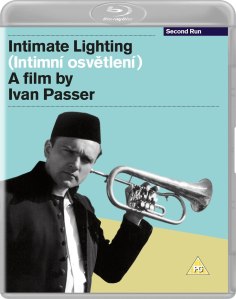
These observations bring me, in a roundabout way, to Intimate Lighting. The divide between city and the village seems more sharply felt in the Czech Republic than back home in the UK, and many Czech films revolve around this dichotomy. One of the aspects I enjoyed most about Passer’s mini-masterpiece is how it explores this theme in such a hushed, minutely detailed way…
You can watch In the Shadow (Ve stínu) right HERE with our View on Demand partners Eyelet
Around the time U.S. Senator Joseph McCarthy was fervently whipping up fear of Communism during the Red Scares of the 40s and 50s, the Communist Party of Czechoslovakia was conducting witch hunts of its own. The purpose of these show trials was twofold – to trick citizens into believing that the country was under threat from real and imagined enemies, and to frighten the populace into staying in line while the regime consolidated its power. Over 250 people were executed as a direct result, while many others were incarcerated or sent to work camps.
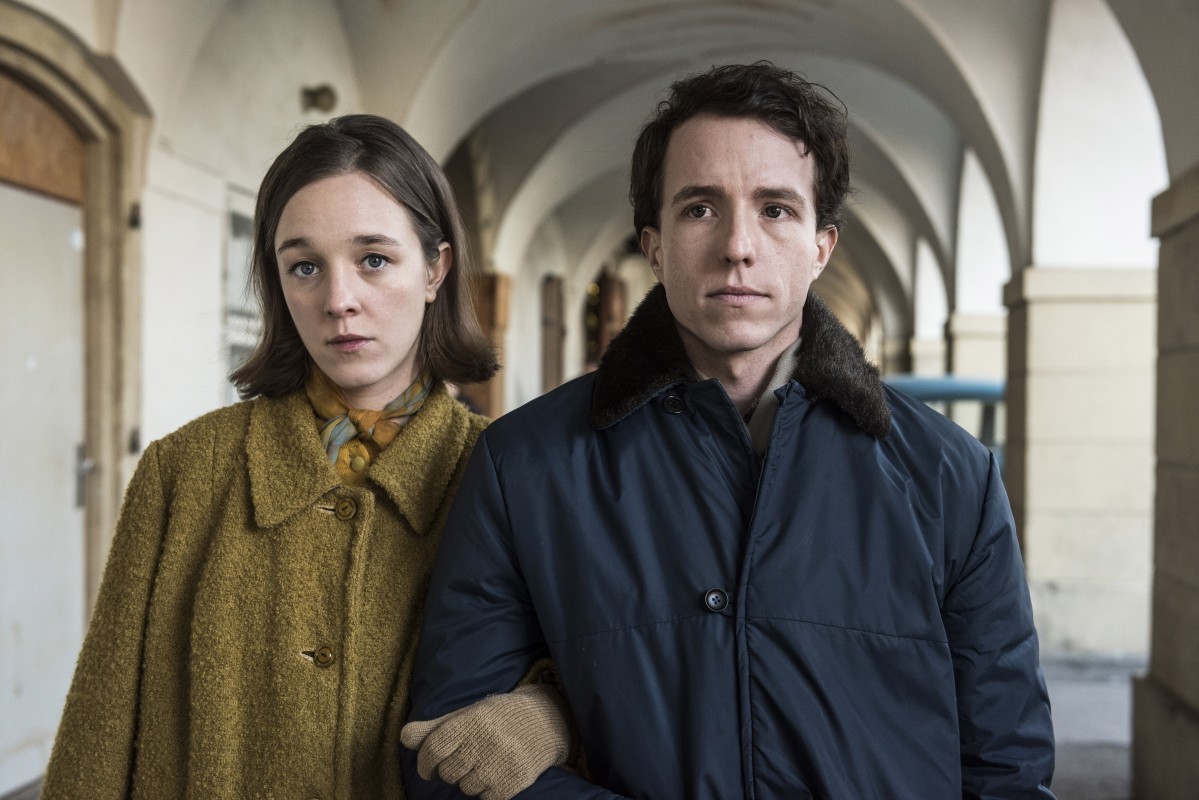
In the Shadow is a sombre paranoid thriller set against this backdrop of fear and intimidation, in the run-up to the devaluation of the country’s currency which left many Czechs and Slovaks facing financial hardship.
It might seem churlish to call it a paranoid thriller when the regime really was oppressing, torturing and vanishing people, but I mean it in a positive sense. The film is in the tradition of the classic American paranoid thrillers of the 70s, like The Parallax View, The Conversation or Three Days of the Condor. It also recalls Chinatown with its period setting, noir-ish touches and a larger public scandal running in the background. And, in evoking the Hollywood style, it plays more like a straightforward thriller than a typical low-key Czech movie. With more violence, too.
The film opens on a dark rainy night where we meet with two small-time crooks as they break into an office and rob a stash of gold and jewels from a safe. It seems a fairly straightforward case for Captain Jarda Hakl (Ivan Trojan), the methodical detective assigned to investigate. However, a planted clue leads him to another “suspect” instead, a middle-aged Jewish chap named Kirsch (played with hunted intensity by Miroslav Krobot).
Hakl smells B.S. straight away as Kirsch’s alibi holds up – he was locked up in a drunk tank on the night of the robbery. Nevertheless, the patsy confesses to the crime and State Security agents muscle into the case. To further stoke his suspicions, a German agent called Zenke (Sebastian Koch, who also starred in the similarly-themed The Lives of Others) takes up residence in Hakl’s apartment building and seems to pay more attention to his wife and kid than he does…
What originally seemed like an open-and-shut case deepens into a larger conspiracy aimed at eliminating several innocent Jewish citizens. As the bodies pile up and sinister characters lurk in the shadows, can the honest detective bring the scandal out into the open without risking the lives of himself and his family?
The outcome of the mystery won’t come as a huge surprise to anyone who has seen a paranoid thriller before and/or knows a little bit about how oppressive regimes ruthlessly shut down anyone who poses a threat. The strength of In the Shadow lies in its slow-burn storytelling, which is carefully and deliberately unfolded by director Ondříček, and its superb craft. The film is beautifully shot by Adam Sikora who really emphasises the noir elements of the story, indulging in the deepest, inkiest blacks at the darkest end of a gloomy but rich palette. The crisp photography combines with marvellous production design to create a vivid recreation of early-50s Prague at a time of great political turbulence.
Ivan Trojan – looking a little like David Byrne from Talking Heads – is a dependable lead, playing Hakl with a low-key determination and transparent integrity that keeps you rooting for him as he willingly ensnares himself in the evil machinations of the State. Sebastian Koch, the German Major with eyes on both the case and the Czech detective’s movements, plays Zenke with understated menace and a hint of deep sorrow – yes, he’s one of those troubled characters with a dark history.
What originally seemed like an open-and-shut case deepens into a larger conspiracy aimed at eliminating several innocent Jewish citizens. As the bodies pile up and sinister characters lurk in the shadows, can the honest detective bring the scandal out into the open without risking the lives of himself and his family?
The outcome of the mystery won’t come as a huge surprise to anyone who has seen a paranoid thriller before and/or knows a little bit about how oppressive regimes ruthlessly shut down anyone who poses a threat. The strength of In the Shadow lies in its slow-burn storytelling, which is carefully and deliberately unfolded by director Ondříček, and its superb craft. The film is beautifully shot by Adam Sikora who really emphasises the noir elements of the story, indulging in the deepest, inkiest blacks at the darkest end of a gloomy but rich palette. The crisp photography combines with marvellous production design to create a vivid recreation of early-50s Prague at a time of great political turbulence.
Ivan Trojan – looking a little like David Byrne from Talking Heads – is a dependable lead, playing Hakl with a low-key determination and transparent integrity that keeps you rooting for him as he willingly ensnares himself in the evil machinations of the State. Sebastian Koch, the German Major with eyes on both the case and the Czech detective’s movements, plays Zenke with understated menace and a hint of deep sorrow – yes, he’s one of those troubled characters with a dark history.





 Buy your copy of Intimate Lighting from Amazon


 Czech Film Review